Hampton Roads Home Buying Guide: Smart Steps That Matter
Intro: Buying Here Is Different (And That’s Not a Bad Thing)
Buying a home in Hampton Roads isn’t complicated—but it is different. Seven cities, multiple bases, tunnels that can change your day, and neighborhoods that feel nothing alike. Whether you’re a VA buyer, first-timer, or relocating family, clarity beats speed here. This guide walks through the process step by step so you can move forward confidently.
Step 1: Get Financially Ready (Before You Shop)
The first real step isn’t touring homes—it’s getting properly pre-approved. A quick online pre-qual is not the same as a full approval, especially for VA buyers. The goal is certainty, not a surprise after you fall in love with a house.
Tip: Ask what documentation the lender has reviewed and whether your file has been underwritten yet.
Step 2: Define Your Real Budget (Not the Bank’s Max)
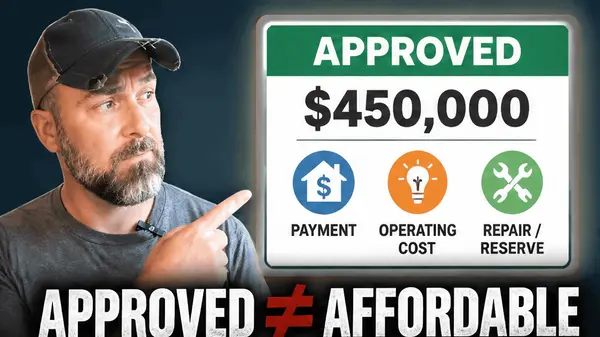
Approval numbers don’t equal comfort. Your monthly number matters more than purchase price. Taxes, insurance, HOA dues, and utilities vary across Hampton Roads, and two identical homes can feel very different financially.
Why it matters: Avoiding “house poor” means you can still live your life—travel, save, and enjoy the area you moved here for.
Step 3: Choose the Right City (Lifestyle > Hype)
There’s no “best” city—only the best fit. Commute patterns, base access, and day-to-day lifestyle vary widely between cities. Map distances can be misleading when tunnels are involved.
Guidance: Research commute times during real traffic hours and think about how your schedule actually works.
Step 4: Neighborhood Research That Actually Works
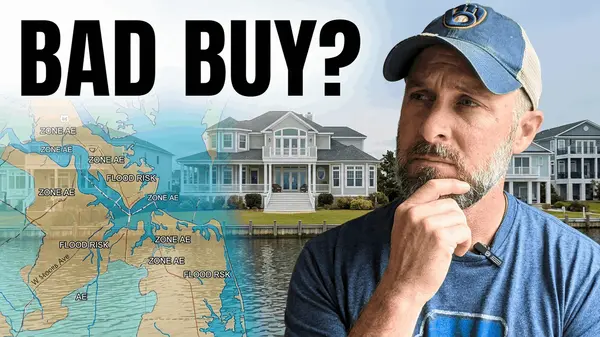
Granite countertops are fun. Flood zones, HOA rules, and insurance costs are practical. The boring stuff affects long-term comfort and resale more than most buyers expect.
Checklist items to review: flood maps, HOA docs, parking realities, noise patterns.
Step 5: Touring Homes the Smart Way
Every house feels great for the first ten minutes. Slow down. Compare layouts, storage, light, and long-term livability. A simple showing checklist helps keep logic in the room.
Step 6: Making an Offer That Makes Sense
Price matters—but so do terms, timing, and flexibility. VA loans aren’t weak offers; they’re often misunderstood. Strategy beats emotion here.
Step 7: Inspections & Appraisal (Don’t Panic)
Inspections are information, not pass/fail. When issues come up, gather facts, get specialists involved, and negotiate thoughtfully. Calm decisions usually lead to better outcomes.
Step 8: Closing Without Surprises
In Virginia, closings typically happen at a title company. Final walkthroughs and paperwork matter. This stage should feel orderly—not rushed.
Life After Closing (What No One Explains)
Virginia doesn’t offer a homestead exemption to reduce property taxes. Payments can change due to assessments or insurance. Budget for maintenance—especially in a coastal climate.
For Current Homeowners
Even if you’re not moving, understanding the buyer process helps you plan updates, timing, and pricing. If someone you know is relocating or buying their first home, this guide can help them avoid common mistakes.
Optional Local Spotlight
The Tunnel Reality: Tunnels connect opportunity—but they also affect daily routines. Planning your commute is part of planning your life here.
-
Buyers/Relocators: Watch the full video, download the Buyer’s Guide, and book a quick call.
-
Homeowners: Forward this to a friend moving to the area or request a no-pressure home value update.
Related Links
-
Video: https://youtu.be/2hJyTzqxsCU
-
Buyer’s Guide: https://realtorjedwards.com/buyer-guide
-
Schedule a Call: https://calendly.com/jedwrds/discovery-phone-call
Hashtags/Keywords:
#HamptonRoadsRealEstate #LivingInHamptonRoads #VALoan #MilitaryRelocation #FirstTimeBuyer #SuffolkVA #ChesapeakeVA #NorfolkVA #VirginiaBeachVA
Recent Posts