10 Things to Know Before Moving to Hampton Roads (2026)
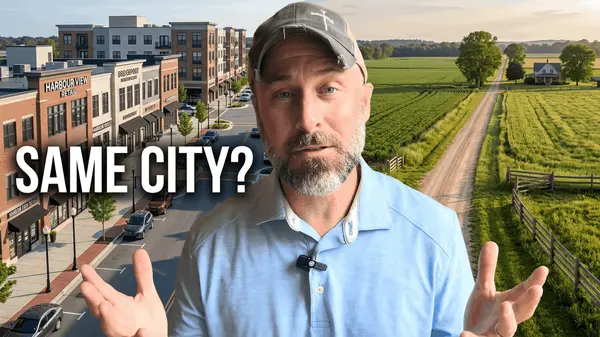
If you’ve been Googling “moving to Hampton Roads” and wondering why it feels more confusing than most cities… you’re not wrong. Hampton Roads isn’t one city. It’s seven different cities stitched together by tunnels, bridges, waterways, and a whole lot of local opinions.
I’m Jason Edwards, a retired Navy Chief turned Realtor®, and I help families buy, sell, and relocate all over Hampton Roads — from Suffolk and Chesapeake to Norfolk, Virginia Beach, Portsmouth, Hampton, and Newport News. In this post, I’m breaking down 10 things you really should know before you move here in 2026.
Whether you’re active duty, a veteran, a first-time buyer, or a current homeowner thinking about your next move, this will give you a much clearer picture of how life actually works here.
1. You’re Not Moving to One City… You’re Moving to Seven
Step one: understand the layout.
Hampton Roads = Seven Cities:
-
Southside: Virginia Beach, Chesapeake, Norfolk, Portsmouth
-
Peninsula: Hampton, Newport News
-
West/Southside Edge: Suffolk
Each city has its own character, tax rate, price range, and commute patterns. You can’t treat Hampton Roads like one big blob on the map. Where you land — Southside, Peninsula, or Suffolk — will shape your daily life, your commute, and your budget.
If you’re commuting to Norfolk Naval Station, your reality looks very different from someone working at Langley, the shipyard, or Oceana. The “right” location is less about what looks good online and more about how your lifestyle, work, and budget all connect.
2. Bridge-Tunnel Traffic Is Its Own Character in This Story
If you’ve never lived in a place where the tunnels control your life, welcome to a new experience.
We’ve got the HRBT (Hampton Roads Bridge-Tunnel), the Monitor-Merrimac, the Downtown Tunnel, and the Midtown Tunnel. On a good day, they’re just part of the drive. On a bad day… they’re where your evening goes.
A 20–25 minute commute on Google Maps can easily turn into an hour (or more) if there’s an accident, construction, or a backup at a base gate. This is especially true if you live on one side of the water and work on the other.
If you’re relocating here, don’t just ask, “Is this a nice neighborhood?” Ask, “What does my commute look like at 7:30 a.m. and 4:30 p.m.?” That one question can save you months of frustration.
3. Flood Zones Aren’t Just Coastal — and They Impact Your Wallet
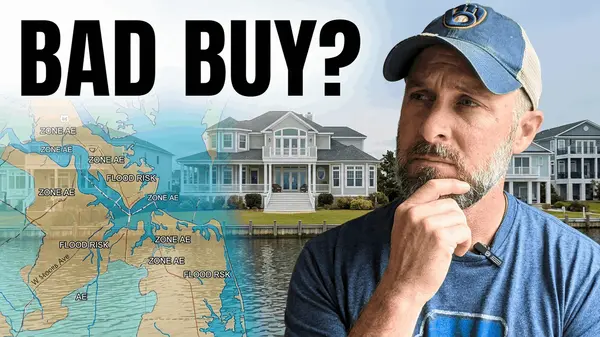
Hampton Roads is a coastal region, which means flooding and flood insurance are part of the conversation.
It’s not just oceanfront homes. Certain parts of Norfolk, Virginia Beach, Chesapeake, Portsmouth, Hampton, and Newport News can all be in higher-risk flood zones. Flood insurance can add a couple hundred dollars a month to your payment in some cases, so it’s something to factor in early — not at the last minute.
On the flip side, places like much of Suffolk and parts of Chesapeake tend to have lower overall flood risk and more elevation. That doesn’t mean “never floods,” but it can mean more stable insurance costs.
Bottom line: don’t be afraid of flood zones, just go in with your eyes open and your numbers clear.
4. Cost of Living Swings Wildly by City — and Even Street to Street
One of the most surprising things for people moving to Hampton Roads is how much the cost of living changes across the region.
Here’s a simple way to think about it:
-
Southside (Virginia Beach, Chesapeake, Norfolk, Portsmouth):
Generally more expensive, especially Virginia Beach and newer areas of Chesapeake. Norfolk and Portsmouth have more affordable pockets, often with older homes and more character. -
Peninsula (Hampton, Newport News):
Often more affordable, especially for first-time buyers. You’ll see a lot of brick ranches, older neighborhoods, and solid starter homes. -
Suffolk:
Wide range depending on whether you’re in Harbour View, Bennetts Creek, Kings Fork, or farther out in the rural parts. You tend to get more land and newer builds for the money.
It’s not just the purchase price that matters. Taxes, HOA fees, flood insurance, and general maintenance all play into your budget. Sometimes the “cheaper” home on paper ends up being more expensive once you add everything in.
5. Every City Has Its Own Personality — And It Matters
Here’s where things get fun. Each city brings a different vibe:
-
Virginia Beach: Coastal, busy, lots of events, strong military presence. Think beach days, festivals, and heavier traffic.
-
Chesapeake: Suburban, spacious, and family-oriented. Larger lots, newer homes, and neighborhoods like Great Bridge and Greenbrier.
-
Norfolk: Urban, historic, walkable areas like Ghent and Larchmont. Waterfront views, arts, and food scene.
-
Portsmouth: Historic, more affordable, with charm in places like Olde Towne and Churchland.
-
Hampton & Newport News: Strong military and shipyard presence, plenty of established neighborhoods, and easier price points for buyers coming from higher-cost markets.
-
Suffolk: From master-planned communities in Harbour View to rural acreage in the western parts — it’s the “space and quieter pace” option for a lot of families.
If you’re thinking, “I want walkability and old homes,” your short list will look very different from someone saying, “Give me a yard, a garage, and newer construction.”
6. PCS Season Is Its Own Beast — Plan Early
If you’re active duty or a military family, you probably already know this, but in Hampton Roads it’s cranked up a notch.
Between Norfolk Naval Station, Oceana, Little Creek, Dam Neck, Langley, Fort Eustis, and Portsmouth Naval Hospital, PCS season gets intense. Inventory near bases gets picked over quickly, especially for clean homes in that sweet spot price range.
Planning ahead gives you more options and less stress. That might mean:
-
Starting conversations with a local agent early
-
Getting your VA loan pre-approval squared away
-
Having a strategy for what matters most: commute, schools, budget, or lifestyle
You don’t have to have every answer on day one, but you do want a plan.
7. Affordability Depends on Which “Side” You Choose
If budget is your primary driver, the Peninsula and Suffolk often win. If convenience and “stuff to do” are top of the list, the Southside usually takes the lead.
None of these are “good” or “bad” — they’re just different trade-offs:
-
Southside = more amenities, closer to the beach, busier, pricier
-
Peninsula = more affordable, great if you work Langley or the shipyard, fewer tunnels
-
Suffolk = space, new construction, central to a lot of Southside work locations
For current homeowners in Hampton Roads, this also affects how you think about your next move. You may have more equity than you realize — and that can open doors to a different city or lifestyle within the same region.
8. Lifestyle Variety Is Massive — Pick Your Environment
One of the biggest pros of Hampton Roads is lifestyle variety.
You can live:
-
Near the beach in Virginia Beach
-
In a walkable historic district in Norfolk or Portsmouth
-
In a quiet cul-de-sac in Chesapeake
-
On land or in a newer subdivision in Suffolk
-
Close to bases and shipyard jobs in Hampton or Newport News
On a random Saturday you can hit the boardwalk, take the kids to a park, grab dinner in Ghent, and still be home before it’s too late.
The key is knowing what fills your tank — water, woods, nightlife, quiet — and working backwards from there.
9. Weather Will Surprise You… In Every Direction
Yes, we get four seasons. We also get:
-
Serious humidity in the summer
-
Occasional hurricanes and tropical storms
-
Mild winters with the occasional icy surprise
-
Sudden downpours that can flood certain areas quickly
From a housing perspective, that means paying attention to things like: roof age, drainage, crawlspaces, and how the home sits on the lot. It’s not a reason to be scared of Hampton Roads — just a reason to be prepared.
10. Schools, Safety & Community Feel Are Hyper-Local
Last, but not least: schools, safety, and community.
These factors can change quickly from neighborhood to neighborhood, even within the same city. I always encourage people to:
-
Check online school rating and crime data
-
Talk to locals
-
Drive the area at different times of day
-
Join local Facebook groups to get a feel for the community
I’m happy to help you understand how these pieces fit into your search, but I also want you to feel empowered to do your own research so you’re confident in your decision.
Local Spotlight: Suffolk’s Harbour View & Bennetts Creek
If you’re looking for a blend of newer homes, amenities, and a central location, parts of North Suffolk — especially Harbour View and Bennetts Creek — often land on a lot of short lists.
You’ve got access to shopping, restaurants, golf, medical facilities, and an easy jump onto the Monitor-Merrimac or I-664 toward Norfolk, Portsmouth, Newport News, or Hampton. It’s a good example of the “best of both worlds” dynamic that a lot of families are looking for.
Closing: What’s Your Next Step?
If you’re thinking about moving to Hampton Roads in 2026, I know it can feel like a lot. Seven cities, different personalities, tunnels, flood zones, and a whole new way of life.
The good news? You don’t have to figure it out alone.
👉 For buyers & relocators:
-
Watch the full video breakdown: https://youtu.be/euegFEhj0ck
-
Download my free Hampton Roads Relocation Guide: https://realtorjedwards.com/relocation-guide
-
Schedule a quick discovery call: https://calendly.com/jedwrds/discovery-phone-call
👉 For current homeowners:
If you already live in Hampton Roads and you’re thinking about your next move, or you know someone getting orders here, feel free to share this post and reach out for a quick home value and options check-in. Or click here for an instant valuation: https://hmbt.co/PCtkLD No pressure, no sales pitch — just solid information so you can plan your next chapter.
Call, text, or email anytime.
I’m here to help you navigate Hampton Roads with confidence.
Recent Posts