Buying in Hampton Roads? 9 Hidden Home Red Flags
Buying a home in Hampton Roads is exciting—and a little intimidating. Between older housing stock, coastal weather, and busy relocation seasons, it’s easy to focus on finishes and miss the warning signs that matter most. The goal here isn’t fear. It’s preparation. Below are 9 signs a house might have hidden problems—what to look for, why it matters locally, and how buyers and homeowners can use this information to make better decisions.
1) Foundation Movement & Structural Settling
Homes settle. In older areas of Norfolk, Portsmouth, and parts of Hampton, that’s common. What deserves a closer look are diagonal cracks over doors, stair-step brick cracks, sloping floors, or doors that don’t latch.
Why it matters: Some issues are cosmetic; others need reinforcement. Inspections and, when needed, a structural review bring clarity—and clarity reduces anxiety and surprise costs.
2) Moisture Problems & Water Intrusion
Humidity is part of life here. Musty smells, efflorescence on foundation walls, cupped floors, or a crawl space running a marathon on dehumidifiers are clues.
Local tip: Always check grading, gutters, and crawl spaces. Moisture issues are often fixable, but ignoring them compounds costs.
3) Roof Age & Hidden Damage
Roofs age faster in coastal conditions. Curling shingles, granule loss, patchwork repairs, or an unknown install date deserve attention.
Buyer move: Confirm age in writing and have the roof walked or droned.
Seller move: Transparency + documentation builds trust and smoother negotiations.
4) Electrical Issues & Outdated Panels
Flickering lights, warm outlets, two-prong receptacles, or older panels can be more than quirks—especially in older neighborhoods.
Why it matters: Safety and insurability. Some insurers require panel upgrades before binding coverage.
5) HVAC Red Flags
Short cycling, rust, odd odors, or systems pushing past 12–15 years can surprise buyers after move-in.
Practical advice: Inspections help, but warranties can be the safety net when systems fail under real-world use—especially during humid summers.
6) Plumbing Problems & Pipe Materials
Low pressure, slow drains, corrosion under sinks, or older pipe materials can signal future upgrades.
Local angle: Some materials common in past decades carry insurance or maintenance implications today.
7) DIY Repairs & Amateur Work
Uneven flooring, tight seams without expansion gaps, sloppy transitions—DIY can be fine, but it often invites a deeper look.
Buyer mindset: One DIY miss isn’t fatal; patterns matter.
Seller tip: Fix the obvious or document professional work.
8) Location & Neighborhood Red Flags (Facts-Only)
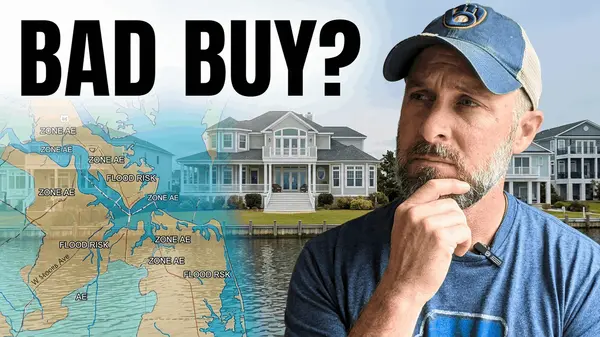
Commute realities, flood zones, drainage patterns, flight paths, and nearby development affect daily life.
Action step: Drive commutes at real times and check FEMA maps—facts over assumptions.
9) Seller Behavior Red Flags
Restricted access, vague answers, missing receipts—rare, but meaningful. One flag isn’t fatal; multiple flags warrant slowing down and asking better questions.
Buyer & Seller Takeaways
Buyers: Inspections protect you. Issues don’t always kill deals—knowledge shapes negotiations.
Homeowners: Pre-listing prep and transparency reduce friction and help your home stand out.
-
Buyers/Relocators: Watch the full video, download the Buyer’s Guide, and book a quick call if you want a second set of eyes.
-
Homeowners: Share this with a friend who’s moving—or reply to request a quick value update.
Related Links
-
Video: https://youtu.be/e1Vs2G3iUiM
-
Buyer’s Guide: https://realtorjedwards.com/buyer-guide
-
Schedule a Call: https://calendly.com/jedwrds/discovery-phone-call
Recent Posts