The Real Cost of Buying a Home in Hampton Roads: What Buyers Should Budget Beyond the Mortgage
Getting preapproved for a mortgage gives you an important number.
It does not necessarily give you your homebuying budget.
That's an important distinction for buyers in Hampton Roads because the purchase price and mortgage payment only tell part of the story.
Two homes might both cost $450,000. Their mortgage payments might even be similar.
But one could have an HOA, an aging HVAC system, a larger yard, higher insurance costs, two heating and cooling systems, or other expenses that make it significantly more expensive to own.
Instead of asking only, “How much house can I qualify for?” I encourage buyers to think about homeownership in three buckets.
Bucket 1: What You Pay the Lender
The first bucket is the payment you actually make to your mortgage company.
Buyers often focus heavily on principal and interest, but the total monthly payment may also include:
- Property taxes
- Homeowners insurance
- Mortgage insurance, depending on the loan
- Flood insurance when required and escrowed
These numbers can also change.
When you're first preapproved, the lender doesn't yet know which exact house you're buying. Taxes and homeowners insurance may initially be estimates.
Once you've chosen a property, those numbers become more specific.
Even after closing, they aren't necessarily frozen forever. Property taxes can change. Insurance premiums can change. Your escrow account may be adjusted.
That's why one of the questions I think buyers should ask is:
If this payment increased somewhat next year, would the house still fit comfortably into my budget?
If the answer is no, buying at the very top of the approval may deserve another look.
Bucket 2: What It Costs to Operate the House
Then there are the expenses that don't necessarily appear in the mortgage payment.
Think about:
- Electricity
- Water
- Sewer
- HOA or condo dues
- Lawn maintenance
- Pest control
- Routine HVAC maintenance
- Other property-specific recurring costs
Hampton Roads also has a few local quirks.
Don't Forget HRSD
People relocating here are sometimes surprised by the way water and wastewater charges work.
Depending on where you live, your locality handles portions of the water and sewer system while the Hampton Roads Sanitation District — HRSD — separately handles wastewater treatment.
That means the bill you think of as your “water bill” may not be the only water-related charge you're paying.
Some localities also assess separate stormwater charges.
None of those individual expenses necessarily destroys a housing budget.
But added together, they illustrate why a mortgage payment isn't the same thing as the total cost of owning a house.
Two $450,000 Houses Can Have Very Different Costs
This is also why buyers should evaluate the actual property, not simply the purchase price.
Imagine two $450,000 homes.
Home A has one relatively new HVAC system, no HOA, a modest yard, and recently replaced major systems.
Home B has an HOA, two older HVAC systems, a larger property to maintain, and several major components nearing the end of their expected service lives.
They're both $450,000 houses.
They're not necessarily $450,000 ownership experiences.
The better question becomes:
What will this particular house cost me to own?
Bucket 3: What Happens When Something Breaks?
The third bucket is different because these aren't necessarily monthly expenses.
They're the things you need to have a plan for.
Roofs eventually need replacement.
HVAC systems eventually fail.
Water heaters don't last forever.
Plumbing leaks happen.
Appliances die — often, apparently, after checking your calendar to make sure it's the least convenient possible moment.
Owning a home doesn't require predicting exactly what will break.
It does require accepting that eventually something will.
My $4,500 AC Lesson
I learned this firsthand when I bought my current home.
It was around the COVID-era housing market. Multiple offers were common, homes were selling above asking price, and buyers didn't have nearly the negotiating leverage they might have preferred.
The AC system in the home I purchased was older.
I completed an informational inspection and understood the system represented a potential future expense.
Because of that, I decided to purchase a home warranty.
I moved into the house in June.
In July, the AC compressor died.
Replacing it would have cost approximately $4,500.
Instead, I paid a $75 service fee to the home warranty company and the warranty covered the rest.
That's not an argument that every buyer should purchase a home warranty. Coverage, exclusions, limits, and service fees vary.
The lesson is simpler:
I knew the house had a risk, and I had a plan for it.
That's what buyers should be thinking about.
Hampton Roads Homes and Moisture
Water deserves special attention in our area.
That doesn't only mean major flooding.
It can mean:
- Roof leaks
- Plumbing leaks
- Failed flashing
- Crawl-space moisture
- High humidity
- Wood rot
- Mold growth
Local home inspectors regularly see moisture-related issues in Hampton Roads housing.
Small water problems identified early can often be addressed before they turn into much larger repairs.
That's another reason a home inspection should be viewed as more than a pass-or-fail test.
The purpose isn't to find a perfect house.
It's to understand the property you're buying and prepare for what it may need.
Homeowners Insurance Is Property-Specific
Insurance is another cost buyers shouldn't leave until the last minute.
Pricing can vary depending on factors including:
- Property location
- Home age
- Roof age and condition
- Plumbing
- Electrical systems
- Claims history
- Coverage choices
- Current insurance-market conditions
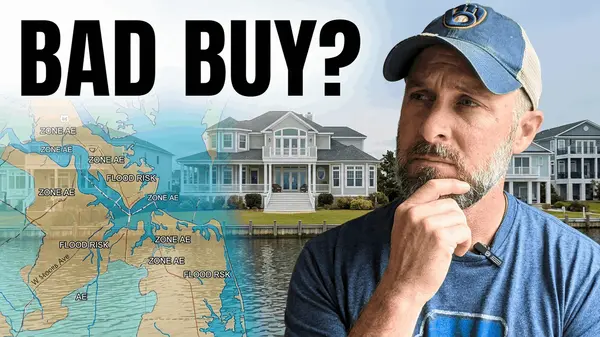
And standard homeowners insurance generally does not cover flooding.
Flood coverage is separate.
Buyers should also understand their deductibles and exclusions rather than comparing insurance policies based solely on annual premium.
A useful question to ask your insurance professional is:
If I had a major claim, how much money would I personally need before my coverage takes over?
That's part of affordability too.
How Much Should You Budget for Maintenance?
Greenlight Home Inspections recommends roughly 1% to 2% of the home's value annually as a starting point for thinking about a maintenance reserve.
That isn't a universal law.
You also won't necessarily spend the same amount every year.
One year may be relatively quiet.
Another could bring a water heater, appliance repair, plumbing issue, and HVAC repair in rapid succession.
The goal isn't predicting the exact annual amount.
The goal is keeping home repairs from automatically becoming credit-card debt.
Your Preapproval Is a Financing Limit
This is the biggest takeaway.
Your maximum preapproval tells you how much financing may be available based on lender underwriting.
It does not require you to spend that amount.
Your personal homebuying budget should leave room for:
- Housing expenses
- Savings
- Emergencies
- Maintenance
- Travel
- Family expenses
- The rest of your life
Buying a home should not require you to stop being a person the day after closing.
So before you start shopping based on the biggest number a lender gives you, calculate what you're actually comfortable spending after all three buckets are considered.
What you pay the lender.
What it costs to operate the house.
What you're prepared to handle when the house needs something.
That number is much more useful than simply asking, “What's the maximum I qualify for?”
If you're getting ready to buy in Hampton Roads, my free Home Buying Guide walks through the process and helps you understand what to expect before you're writing offers.
DOWNLOAD THE HOME BUYING GUIDE
FAQs
Is my mortgage preapproval the same as my homebuying budget?
No. A preapproval estimates how much financing you may qualify for under a lender's guidelines. Your personal budget should also account for utilities, maintenance, repairs, savings, emergencies and normal life expenses.
What costs are included in a typical mortgage payment?
Depending on the loan and property, the payment may include principal, interest, property taxes, homeowners insurance and mortgage insurance. Flood insurance may also be included when required and escrowed.
Why can my mortgage payment change after closing?
Property taxes and insurance premiums can change. If those costs increase or an escrow shortage occurs, the amount collected by your lender may also change.
What homeownership expenses should Hampton Roads buyers budget for?
Beyond the mortgage, buyers may need to account for utilities, HRSD wastewater charges, HOA or condo dues, routine HVAC servicing, pest control, lawn care, insurance deductibles and future repairs.
How much should homeowners save for maintenance?
Greenlight Home Inspections recommends roughly 1% to 2% of the home's value per year as a starting point. Actual expenses vary by home, age, condition and maintenance history.
Does homeowners insurance cover flooding in Hampton Roads?
Standard homeowners insurance generally does not cover flood damage. Flood insurance is a separate policy. Buyers should discuss property-specific flood risk and insurance needs with an insurance professional.
Recent Posts