Can You Buy a House During 10 Days of PCS House-Hunting Leave?
Ten days of PCS house-hunting leave sounds like enough time to buy a home.
And in many cases, it can be.
But there is an important difference between having ten days to start the home-buying process and having ten days to complete the in-person part of a process you have already started.
Military buyers who arrive in Hampton Roads without financing, a focused search area, or a clear list of priorities can easily spend the first several days simply figuring out where to look.
When the clock is already running, that can create unnecessary pressure.
The goal is not to rush into a house before your leave ends. The goal is to arrive prepared enough to make a confident decision if the right home becomes available.
Is 10 Days of House-Hunting Leave Enough?
Yes, ten days can be enough to find a home and get under contract in Hampton Roads.
However, there are no guarantees.
Housing inventory, competition, your budget, your duty station, and the type of home you need will all affect what is available during your trip.
The buyers who tend to use their house-hunting leave most effectively have already handled several major decisions before arriving:
- Their loan pre-approval is complete.
- They know their comfortable monthly payment.
- They have narrowed the search to one or two primary areas.
- They understand the commute to their duty station.
- They know which home features are true dealbreakers.
- Their agent already understands their timeline and priorities.
Without that preparation, house-hunting leave can quickly turn into an orientation trip instead of an active home search.
Start With the Duty Station, Not the House
One of the biggest mistakes military buyers make when moving to Hampton Roads is beginning with homes they like online.
The better starting point is the duty station.
Hampton Roads is divided by rivers, bridges, tunnels, and several independent cities. A home that looks close on a map may create a difficult commute during normal traffic.
This is especially important when comparing homes across different parts of the Southside.
For example, a buyer reporting to Naval Station Norfolk may find that homes in Suffolk offer more space for the money. That may be a worthwhile tradeoff, but the commute can involve the Downtown Tunnel or Midtown Tunnel.
That does not automatically make Suffolk a poor choice.
It simply means the buyer should understand the commute before falling in love with a home there.
Before house-hunting leave begins, consider:
- Where will you report for duty?
- What commute are you realistically willing to make?
- Will you be traveling through a tunnel?
- Are there multiple duty locations to consider?
- How important are home size, lot size, age, and location compared with commute time?
A useful search area usually begins with the duty station and works outward.
Know Your Comfortable Payment Before You Arrive
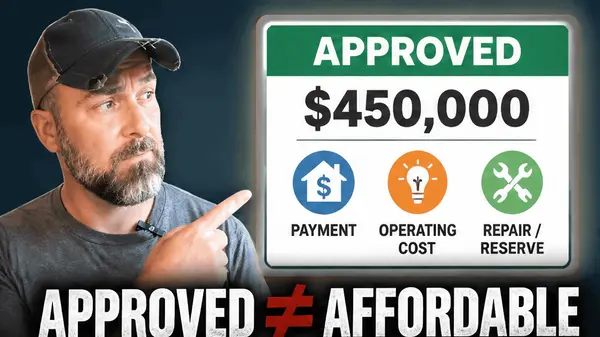
A loan pre-approval is an essential part of preparing for house-hunting leave, but the maximum amount a lender approves is not always the amount a buyer should spend.
Before touring homes, determine a monthly payment that feels comfortable for your family.
That calculation should account for more than the principal and interest payment.
Depending on the home and location, your total housing payment may also include:
- Property taxes
- Homeowners insurance
- Flood insurance, when applicable
- Homeowners association fees
- Utilities
- Maintenance
- Commuting costs
A lower-priced home farther from the duty station may not always create the lowest overall monthly expense once fuel, tolls, and additional time on the road are considered.
This is why housing cost and commute cost should be evaluated together.
Narrow the Search Before House-Hunting Leave
Trying to seriously search Virginia Beach, Chesapeake, Suffolk, Portsmouth, and Norfolk during the same short trip can spread the search too thin.
Each city offers different combinations of price, commute, home style, density, and availability.
Before arriving, try to narrow the search to one or two primary areas and possibly one backup area.
That does not mean you can never consider a home outside those locations. It simply creates a focused starting point.
Your agent can then watch new listings, schedule efficient showing routes, and help you compare similar homes instead of spending entire days driving across Hampton Roads.
Separate Dealbreakers From Preferences
Buyers often arrive with a long wish list, but not every item should carry equal weight.
A true dealbreaker is something that affects whether the home will work for your family.
Examples may include:
- An unaffordable payment
- An unacceptable commute
- Too few bedrooms
- A layout that does not function for your household
- Major condition concerns
- A location that does not fit your logistical needs
Preferences are different.
These may include:
- Paint colors
- Countertops
- Flooring
- Cabinet finishes
- A particular exterior style
- A larger yard
- Cosmetic updates
There is nothing wrong with wanting those things.
The problem occurs when every preference is treated like a dealbreaker, or when a buyer ignores a legitimate dealbreaker because the leave calendar is running out.
Knowing the difference before you tour homes makes decisions much easier.
How to Use Your 10 Days
A house-hunting trip should remain flexible because the right home could appear on the first day, the last day, or not at all.
Rather than assigning a rigid purpose to every day, think of the trip in three stages.
Stage 1: Tour and Calibrate
The first stage is about comparing online expectations with the actual market.
During this stage, buyers should:
- Tour the strongest available homes.
- Drive the commute routes.
- Look at the surrounding area.
- Compare home condition and size with the asking price.
- Refine expectations based on what is actually available.
This does not mean you should automatically wait several days before making an offer.
When the right home appears and the numbers make sense, you should be ready to act.
Stage 2: Decide and Act
Once you understand the local tradeoffs, the next stage is making decisions.
Being ready to write an offer does not mean being reckless.
Before the trip, you should already know:
- Your maximum comfortable payment
- How much cash you are willing to use
- Which contract protections matter to you
- Which repairs or conditions you will not accept
- Where you are willing to compromise
The goal is not to win a house at any cost.
The goal is to submit an offer you will still feel comfortable with if the seller accepts it.
Stage 3: Handle Local Tasks or Prepare to Continue Remotely
If you go under contract during the trip, the remaining time may be useful for:
- Attending the home inspection
- Driving the commute again
- Measuring rooms
- Looking more closely at the surrounding area
- Reviewing repair concerns
- Asking follow-up questions
When a buyer does not find the right home, the final part of the trip should be used to create a clear remote-search plan.
What Happens If You Do Not Find a Home?
Leaving Hampton Roads without a contract does not mean the trip failed.
A productive house-hunting trip may help you determine:
- Which cities make sense
- Which commutes are acceptable
- What your budget actually buys
- Which features matter most
- Which compromises you are not willing to make
That information can make the next stage of the search much more focused.
Military buyers generally have three practical options.
Continue the Search Remotely
Remote buying is common during military relocation.
A thorough remote showing should include more than a quick video of the kitchen and living room.
Ask your agent to show:
- The street and neighboring properties
- Traffic and road noise
- Ceilings and floors
- Mechanical systems
- Exterior condition
- Crawl-space or attic access
- Areas excluded from listing photographs
- Any visible damage or maintenance concerns
A professional home inspection remains especially important when buying remotely.
Use Temporary Housing
Temporary lodging or a short-term rental may provide additional time after arrival.
This can create added expense and another move, but it may still be better than purchasing the wrong home because of deadline pressure.
Adjust the Search
The house-hunting trip may show that the original budget, location, home type, and wish list do not align.
In that situation, the strategy may need to change.
That could mean adjusting:
- The location
- The home type
- The age or condition of the home
- The price range
- The timeline
- Particular preferences
A strategic adjustment is different from panic-buying.
Do Not Let the Calendar Choose the House
Ten days creates urgency.
It should not create panic.
The greatest risk during house-hunting leave is buying a home that does not fit your budget, commute, or family simply because the end of the trip is approaching.
A good real estate agent should help you recognize when a home makes sense, but should also be willing to tell you when it does not.
Sometimes the best decision is to write an offer.
Sometimes the best decision is to continue searching remotely.
And occasionally, the best decision is to return home without buying anything.
Prepare Before You Land
The simplest way to look at house-hunting leave is this:
Do not use the trip to begin the home-buying process.
Use it to complete the in-person part of a process you have already started.
Before arriving in Hampton Roads:
- Complete your loan pre-approval.
- Establish a comfortable monthly payment.
- Compare commute and housing costs.
- Narrow the search area.
- Separate dealbreakers from preferences.
- Talk with a local agent about your timeline.
- Create a backup plan for remote searching.
With those pieces in place, ten days can become a focused and productive home search instead of a rushed introduction to the area.
Planning a PCS to Hampton Roads?
The free 757 PCS Commute and Cost Calculator can help you compare Hampton Roads locations, housing considerations, and commute tradeoffs before your house-hunting trip.
Download the calculator here: https://realtorjedwards.com/757-pcs-commute-cost-calculator
You can also watch the full video breakdown here:
Watch the video: https://youtu.be/tM9QcB8a_o4
Jason Edwards is a retired Navy Senior Chief and Hampton Roads real estate agent helping military families, veterans, and relocation buyers make informed home-buying decisions throughout the region.
Recent Posts