The Hidden Cost of Buying a Home in Hampton Roads: Why Price Alone Can Mislead You
When most buyers start shopping for a home, they compare one number first: price.
That is completely normal. It is the biggest number on the screen, and it feels like the easiest way to decide what is affordable and what is not.
But if you are buying in Hampton Roads, especially on the South Side, price by itself can be misleading.
A house that looks cheaper online is not always the cheaper house to own.
That is where a lot of buyers get tripped up.
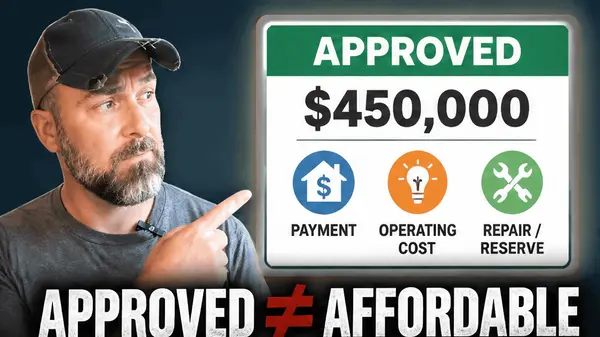
The monthly payment is more than principal and interest. It is also shaped by property taxes, homeowners insurance, flood insurance in some cases, HOA dues, and the real-life tradeoffs that come with where the home is actually located.
If you are comparing homes in Virginia Beach, Chesapeake, Norfolk, Suffolk, Smithfield, or Carrollton, understanding the full picture can save you from making a decision based on incomplete math.
Why Price and Monthly Cost Are Not the Same Thing
Two homes can have the exact same purchase price and still cost very different amounts to own.
That happens because the full monthly cost of ownership includes more than the mortgage. A basic online calculator may give you a rough estimate, but it usually does not tell the whole story.
A smarter way to compare homes is to look at five categories:
1. Principal and Interest
This is the actual mortgage payment based on the loan amount, rate, and term.
2. Property Taxes
Taxes vary by city and county, and those differences can affect the total monthly payment more than many buyers expect.
3. Homeowners Insurance
Insurance costs have become a bigger part of the affordability conversation. Old assumptions can make a house look more affordable than it really is.
4. Flood Insurance
In Hampton Roads, flood is part of the homework. Even when a home is not waterfront, flood exposure can affect insurance requirements, monthly cost, and resale.
5. Real-Life Ownership Costs
HOA dues, tolls, longer drives, maintenance, and how well the location fits your day-to-day life can all affect whether a house feels like a good decision after closing.
Property Taxes Matter More Than Buyers Think
One of the easiest ways to underestimate the real cost of a home is to treat taxes like a minor detail.
They are not.
Hampton Roads is made up of independent cities and counties, and each one has its own tax structure. That means a similarly priced house in Virginia Beach may not carry the same tax burden as one in Norfolk, Chesapeake, or Suffolk.
For buyers working near the top of their comfort zone, even a modest tax difference can matter. It may not kill the deal, but it can absolutely change how comfortable the payment feels month to month.
This is one reason a lower purchase price does not always mean better value.
Why Homeowners Insurance Changes the Math
A lot of buyers still use outdated insurance assumptions when they start home shopping.
They remember what a family member pays. They look up a rough national estimate. They assume it will be close enough.
Sometimes it is. Sometimes it is not.
The problem is that optimistic estimates make homes look more affordable than they really are. Then the real quote comes back, and the monthly cost jumps.
That is why realistic planning matters. Hopeful planning feels good at first, but it is not a great way to choose a house.
Flood Risk Is Not Just a Waterfront Issue
This is one of the most misunderstood parts of buying in Hampton Roads.
A lot of buyers assume flood only matters if the house sits right on the water. That is not really how this region works.
Flood risk can become part of the conversation in neighborhoods that do not look obviously flood-prone to an out-of-area buyer. Depending on the property, it can affect lender requirements, insurance costs, and how future buyers view the home when it is time to sell.
That does not mean every home with flood exposure is a bad buy. It just means buyers need to understand what they are getting into before they make an offer.
This is especially important if you are comparing homes across multiple cities and assuming the lower-priced option is automatically the better financial decision.
City-by-City Tradeoffs Across the South Side
One reason buyers get overwhelmed here is that the South Side cities are close enough together to compare, but different enough to change the math.
Virginia Beach often appeals to buyers who want amenities, established neighborhoods, and a certain overall feel.
Chesapeake is a frequent comparison because many buyers feel like they may get a little more space or a more suburban setup depending on where they look.
Norfolk often appeals to buyers who want location, character, or a different lifestyle tradeoff, but it requires a little more neighborhood-level analysis.
Suffolk, Smithfield, and Carrollton continue to attract buyers who want more space, newer housing in some areas, or a little more breathing room away from the busier core.
The point is not that one city is best.
The point is that buyers should stop asking, “Which city is cheaper?” and start asking, “Which city gives me the best overall fit for my budget and lifestyle?”
That is a much better decision-making lens.
How to Compare Homes the Smarter Way
If you are serious about buying in Hampton Roads, here is the practical way to compare homes before you write an offer.
Start with the Full Monthly Number
Do not just compare list price. Ask for a realistic estimate that includes taxes, homeowners insurance, flood insurance if relevant, and HOA dues if applicable.
Compare Homes Side by Side
Run the numbers on more than one option. Sometimes the city you assumed was out of reach ends up being more realistic than you thought. Sometimes the “deal” is not really a deal once the full cost shows up.
Think About Lifestyle, Not Just Payment
A home can fit your budget and still be the wrong fit for your daily life. Consider drive time, toll exposure, convenience, neighborhood feel, and how the location supports your stage of life.
Be Honest Before You Get Emotionally Attached
Once buyers fall in love with a house, it gets a lot easier to rationalize the math. Try to compare the numbers clearly before that happens.
The Goal Is Not Just to Buy a House
The goal is to buy the right house for the right reasons.
That means understanding not just what a home costs to buy, but what it will actually feel like to own.
If you are comparing homes across Hampton Roads and want a cleaner way to think through mortgage, taxes, insurance, flood considerations, HOA, and lifestyle fit, use a worksheet or side-by-side comparison before making an offer.
That little bit of work up front can save you a lot of stress later.
If you want help thinking through specific areas or comparing homes across the South Side, reach out anytime
Recent Posts