Don’t Move to Suffolk VA Until You Know This (2026)
Don’t Move to Suffolk, VA (Hampton Roads Truth) | 2026
If you’re thinking about moving to Suffolk VA in 2026, you’re not alone. I talk to buyers every week who are looking at Suffolk because it feels like the “smart move” in Hampton Roads: more space, often newer homes, and the chance to get a little breathing room without leaving the region.
But here’s the part people don’t learn until after they’ve already moved: Suffolk can be incredible… or it can be frustrating… depending on what part you choose and what your daily routine looks like.
And one line you need early: Suffolk is huge — geographically the largest city in Virginia huge. So when someone tells me, “We’re moving to Suffolk,” my first question is always, “Okay… what part?” Because North Suffolk doesn’t feel like Central Suffolk, and Central Suffolk doesn’t feel like Rural Suffolk. Three very different lifestyles, same city name.
This post is the written companion to my YouTube video:
“Don’t Move to Suffolk, VA (Hampton Roads Truth) | 2026”
If you’d rather watch, I’ll link the video above. If you’d rather read first, let’s get into the real stuff people wish they knew before signing paperwork.
The Fit Test: Who Should NOT Move to Suffolk VA
I’m going to be blunt (because it saves people money and stress).
You might not love Suffolk if:
-
You need a walkable, everything-is-close lifestyle. Suffolk has charm and pockets of “local,” but it’s not a tight, walkable city grid. You’re driving to a lot of things.
-
Driving drains you. In Suffolk, errands can be spread out. “Real quick” turns into “I’ll be back in 40.”
-
You need a predictable commute. This is a big one for military families and shift workers. If you pick the wrong side of town for your destination, your commute can become the daily thing you resent.
-
You hate the sound of growth. Suffolk is growing, and some areas feel like they’re constantly in a building phase.
-
Schools are a top priority and you want higher-rated options without compromise. We’ll get into this more below, but school research matters here.
Now, none of that means Suffolk is “bad.” It just means Suffolk is not a one-size-fits-all city. The goal is to pick the right fit on purpose.
Reason #1: Route 58 Traffic and Suffolk’s Bottlenecks
Let’s talk about the thing that gets brought up constantly: Route 58 traffic.
If you’re commuting through Suffolk (or crossing Suffolk as part of your routine), 58 can be a real pain point—especially lately. A big part of the current frustration is ongoing construction for the flyover near the dump. On top of that, Suffolk has seen a lot of new people moving into the area, and in certain stretches, the roads just aren’t built to absorb the volume smoothly.
Here’s the specific issue that surprises a lot of newcomers: Route 58 is basically two lanes from just past the dump through the Hamburger Alley/Holland area. When traffic slows down (construction, a wreck, weather, heavy merging), it stacks up fast.
What to do if you’re relocating (especially PCS)
If you’re active duty or a civilian working with a report time, this isn’t just annoying—it affects your whole day. Here’s a simple process that protects you:
-
Decide your maximum commute in minutes, not miles. Hampton Roads doesn’t behave like other places. Minutes matter.
-
Map your commute during real drive times. Not mid-day. If you leave at 6:00 a.m., map it for that window.
-
Map your “real-life loop.” House → work/base → daycare/school → grocery → home. One drive is not the whole routine.
-
Ask yourself what happens on a “bad day.” If there’s an accident, do you have an alternate route or does everything funnel into the same corridor?
Homeowner angle (if you’re selling)
If your home is positioned well for common commutes or has easy access to key routes, that’s not fluff—that’s value. Buyers care about their routine. When I market homes, I like to show simple map overlays and distance-to basics so buyers can picture life in the house, not just the house itself.
Reason #2: Growth, Warehouses, and More Truck Traffic (460 + 58)
Suffolk’s growth is a big reason people move here. Newer homes. More options. More space.
But growth also changes the feel of a place, and in Suffolk it’s not just residential growth. Warehouses are popping up in a lot of areas, and that has increased semi traffic on 460 and 58. Even if you’re not commuting across the region, you can feel it in day-to-day driving.
You’ll also hear strong opinions from lifelong residents. Some will say it’s ruining Suffolk’s rural charm. Others will say it’s progress and job growth. I’m not here to argue either side—I’m here to help you make a decision you won’t regret.
How to research growth without guessing
-
Drive the area at different times (or have your agent do it for you if you’re long-distance).
-
When touring a home, tour the roads around it. Sit in the driveway for a minute. Listen. Watch traffic flow.
-
Ask for objective info about nearby development plans when possible (not opinions, just what’s planned or zoned).
Homeowner angle
If you own in a pocket of Suffolk that still has the “space and quiet” vibe, that’s a real buyer draw. The key is marketing the lifestyle honestly—yard, privacy, outdoor space—and pricing based on data and condition, not nostalgia.
Reason #3: Utility Costs Are Up and the “True Monthly Payment” Surprise
A big complaint I’ve heard lately from residents isn’t just mortgage payments—it’s basic utility costs increasing, sometimes drastically. And this isn’t just Suffolk. It seems to be across Hampton Roads: gas, electric, water… plus the extra fees that show up on bills.
This is why I tell buyers to budget for the true monthly cost, not just the mortgage.
My simple “true monthly” checklist
-
Mortgage payment
-
Homeowners insurance
-
Utilities
-
Commute costs (fuel + wear + time)
-
HOA (if applicable)
-
Maintenance buffer
For maintenance, my rough guideline is: set aside about 10% of your mortgage payment each month into a “home fund.” Some months you won’t touch it. Other months you’ll be glad it’s there. It’s not perfect math—it’s just a smart habit that keeps normal homeownership from feeling stressful.
The best way to avoid being house poor
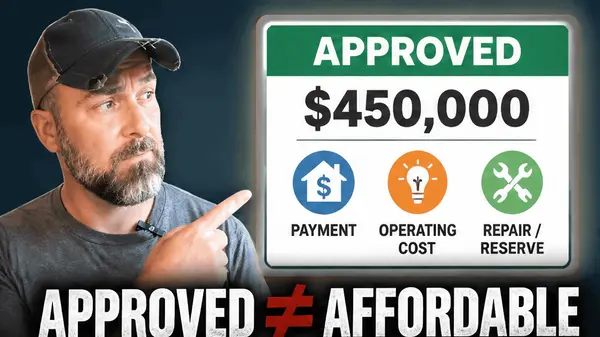
I’m not a fan of using your pre-approval as the budget. I’d rather you do a personal budget first, decide what monthly payment feels comfortable, and then work backward into a purchase price. You want breathing room for life.
I have a simple budget template that helps buyers figure out a comfortable monthly payment. If you want it, reach out and I’ll send it.
Homeowner angle
If you’ve made efficiency upgrades—HVAC, insulation, windows—those matter. You don’t need to make big claims. But it’s worth highlighting factual improvements because buyers are paying attention to monthly costs right now.
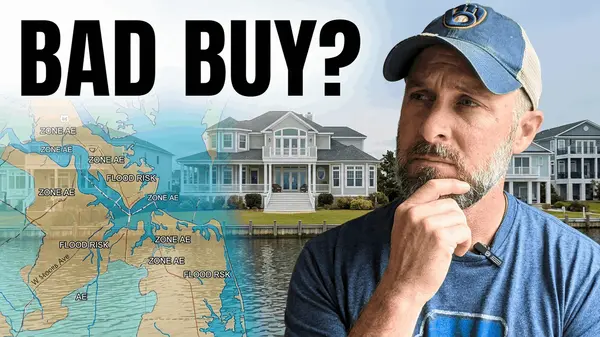
Reason #4: Flood Zones — Check FEMA Maps Before You Fall in Love
This is one of those “be an adult about it” topics: flood zones.
It’s not just Suffolk. It’s Hampton Roads. And the goal isn’t to panic—it’s to avoid surprises.
Before you get emotionally attached to a home, you should check the property on FEMA flood maps. If flood insurance may be part of the equation, get quotes early so you understand how it affects your monthly cost and comfort level.
A simple due diligence routine
-
Check the address on FEMA flood maps
-
If needed, request an early insurance quote
-
When you visit, look at drainage and grading
-
Ask objective questions about any history of water intrusion
Homeowner angle
If your home is in or near a flood zone, transparency wins. Be prepared for buyer questions and have the info ready. Confidence sells.
Reason #5: Schools — Do Your Homework (and verify zoning)
For a lot of families, schools are not a side note. They’re the decision driver.
Many people researching Suffolk notice that Suffolk schools are ranked lower than some other Hampton Roads areas on sites like GreatSchools. That doesn’t mean every school is “bad,” and it doesn’t mean your child can’t thrive. It does mean you should research early and verify zoning at the specific address you’re considering.
Here’s the right way to do it:
-
Check GreatSchools as a starting point (not the only source)
-
Cross-check with official sources like the Virginia School Quality Profiles
-
Verify the assigned schools for the exact address you’re considering (zoning can be different street-to-street)
I’m not going to tell you what school is “best” or steer you toward or away from areas based on schools. What I will do is encourage you to use reliable sources and confirm zoning before you commit—especially if you’re relocating and can’t visit multiple times.
Homeowner angle
School perceptions can influence buyer demand. If you’re selling, the best strategy is to price correctly, present the home well, and market to the right buyer pool—not argue the internet.
Reason #6: Suffolk Is Three Different Lifestyles (North vs Central vs Rural)
This is the part that makes Suffolk finally make sense.
North Suffolk: often feels more suburban and convenience-oriented.
Central Suffolk: more of the city’s local heart and day-to-day services.
Rural Suffolk: space, privacy, and a slower feel—but with more distance and sometimes different property setups.
Most regrets come from choosing the wrong version of Suffolk for your lifestyle.
My “area first, house second” rule
Write down your top three non-negotiables:
-
commute time
-
school needs
-
space/yard/acreage
-
new construction vs established
-
“quiet home base” vibe
Then match the area to your non-negotiables first. After that, the house choices get a lot easier—and a lot safer.
The Pivot: Why I Moved to Suffolk While Active Duty (Who Thrives Here)
After all the warnings, here’s the truth: I chose Suffolk.
I moved here when I was still active duty, stationed at Naval Station Norfolk. I wanted to get away from the buzz of Virginia Beach, get a little more house for my money, and I didn’t mind the commute—even though it was about 45 minutes from my house to the hangar I worked at.
That worked because I understood the tradeoff and chose it on purpose.
Who thrives in Suffolk
-
People who want more space and are okay with more driving
-
Families who want a calmer home base at the end of the day
-
Military families who plan the commute first and pick the right pocket
-
Buyers who like newer homes and modern layouts (with realistic expectations about growth)
How to Decide: A Simple Checklist (Buyers + Sellers)
Buyers (especially relocators)
-
Destination first: where do you need to be weekly?
-
Commute in minutes, at real times
-
Lifestyle fit: North vs Central vs Rural
-
Budget: true monthly cost + 10% maintenance buffer
-
Flood zones: FEMA maps early
-
Schools: verify zoning and research with multiple sources
Sellers
-
Market the lifestyle honestly (space, privacy, access, convenience)
-
Fix the obvious stuff and present the home clean and dialed-in
-
Price based on comps and condition (buyers are payment-sensitive)
-
Be transparent about what buyers will ask (utilities, flood zones, upgrades)
Local Spotlight
If you’re new to Suffolk, one of the easiest ways to get a feel for the city is to spend a Saturday morning exploring a couple of “Suffolk versions” back-to-back—grab coffee in one area, take a drive through a newer neighborhood pocket, and then head out toward a more rural stretch. You’ll feel the differences fast, and that helps you choose with confidence.
Closing
If you’re thinking about moving to Suffolk VA, do yourself a favor: watch the full video first so you can spot the tradeoffs before you commit.
-
🎥 Watch the video: https://youtu.be/GiSx-xcD8q8
-
📘 Download my Hampton Roads Relocation Guide: https://realtorjedwards.com/relocation-guide
-
📲 Want help picking the right part of Suffolk for your commute and budget? Reach out anytime.
-
🏡 Homeowners: If you want a quick value update (or you know someone considering a move), reply or send this post to them.
#MovingToSuffolkVA #SuffolkVARealEstate #LivingInSuffolkVirginia #HamptonRoadsRealEstate #RelocatingToHamptonRoads #PCSRelocation #VALoanTips #FirstTimeHomeBuyerVA #SuffolkVATraffic #Route58 #SuffolkVASchools #HamptonRoadsLiving
Recent Posts