Buying in Hampton Roads Without an Agent (2026 Guide)
Buying a House in Hampton Roads Without a Real Estate Agent (2026 Guide)
If you’re thinking about buying a house in Hampton Roads without a real estate agent, you’re not alone. A lot of buyers—especially first-time buyers, VA loan buyers, and relocation clients—start here because they want control, transparency, and a clean plan.
And honestly? That mindset makes sense.
The tricky part is that Hampton Roads real estate isn’t “one market.” Suffolk feels different than Norfolk. Chesapeake is different than Portsmouth. Virginia Beach has its own realities—especially depending on where you are in relation to water, traffic corridors, and insurance considerations. Add in the new 2026 rules around buyer representation and compensation, and you’ve got even more moving parts.
This post is your plain-English walkthrough of what it takes to buy without an agent—what’s doable, what’s risky, and where most DIY buyers get stuck (not because they’re incapable, but because the process stacks complexity fast).
Why Buyers Try to Do This Alone (And Why It Makes Sense)
Most buyers who consider going solo aren’t trying to be difficult. They’re trying to be smart.
Here are the most common reasons I hear:
-
“I found the house online—so what would an agent even do?”
-
“I don’t want to feel pressured.”
-
“I don’t want an awkward money conversation.”
-
“I don’t want to sign something and feel trapped.”
With the changes after the NAR settlement, buyers are more aware that buyer representation is now handled through a buyer-broker agreement, and any compensation is negotiated—often through the offer via seller concessions. In 2026, nothing about that is “automatic,” and that can feel uncomfortable if you haven’t done this before.
Here’s the honest truth: you can absolutely do parts of this on your own. Home searching and basic research are easier than ever.
But here’s the other truth: you can do 70% of this yourself and still get burned by the 30% you didn’t know existed—because the consequences show up later, when you’re already committed.
Representation in Virginia—Listing Agent, Buyer Agent, and Why Dual Agency Feels Weird
If you buy without an agent, you’ll probably talk to the listing agent. That’s normal.
But it’s important to understand what that means.
The listing agent represents the seller. Their job is to protect the seller’s interests: price, terms, timing, and negotiation strategy. That doesn’t make them “bad.” It just means they already have a client.
Now, let’s talk dual agency, because this is where DIY buyers often assume they’ll get “the best of both worlds.”
In plain language: if one agent represents both the buyer and the seller, they essentially represent neither in the way most buyers expect.
They have to maintain confidentiality for both clients and technically be a fiduciary for both. So they can’t give you negotiation tactics or advice on what a good offer is. They can’t really perform the majority of their duties to you because they also “represent” the seller.
So if you’re unrepresented, you can still:
-
Get facts and disclosures
-
Ask process questions
-
Submit an offer
But you’re typically not getting:
-
Offer strategy coaching
-
Negotiation tactics
-
“Here’s what I’d do if you were my client” advice
That’s not drama. That’s just how representation works.
Local note: This matters even more in Hampton Roads because expectations can shift by city and neighborhood. What’s normal in Great Bridge may not be normal in Downtown Norfolk. A newer build in Suffolk may feel totally different than an older home in Portsmouth.
Financing Reality + VA Loan Nuance (Without the Headache)
If you’re buying in Hampton Roads with a VA home loan, you can absolutely win. VA loans are powerful.
But here’s what DIY buyers often underestimate: your lender is essential, but your lender is not your contract manager.
Contracts have deadlines. Deadlines create leverage. And missing them can cost you money—or your position in the deal.
A few practical guardrails:
-
Get pre-approved, not pre-qualified. If you’re relocating, don’t gamble with a vague “I think I’m good.”
-
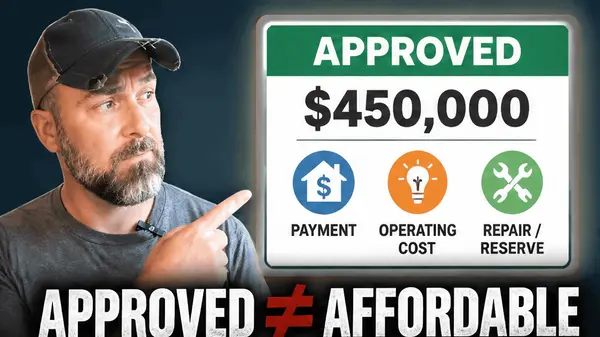
Know your cash-to-close comfort zone. Even with a VA loan, there are still costs that vary by scenario.
-
Understand concessions. In 2026, concessions are negotiable and can be used strategically—but sellers don’t have to agree.
-
Be aware of appraisal risk. Appraisals can create a “gap problem” if value doesn’t support price. VA loans also have unique timing and processes if appraisal concerns pop up.
None of this is meant to scare you. It’s meant to keep you from being surprised at the exact moment you least need a surprise.
Writing the Offer—What’s Plug-and-Play vs. What’s Strategy
Here’s the part that trips people up:
Yes—parts of the contract are plug-and-play:
-
Check boxes
-
Fill in basic listing details
-
Add names, dates, addresses, and numbers
That part is not rocket science.
The hard part is understanding how one checkbox changes your leverage later.
In real life, sellers don’t just choose the highest price. They choose the best combination of:
-
Price
-
Certainty
-
Timing
-
Perceived risk
That means the “strength” of your offer often comes from terms, not just price.
Key pieces you need to think through:
-
Timeline: closing date, possession date, and any rent-back needs
-
Contingencies: financing, inspection, appraisal-related protections
-
Concessions: what you’re asking for, how it’s written, and how that affects competitiveness
-
Property type addenda: condo docs, HOA details, and especially builder addenda on new construction
Practical DIY checklist before you submit an offer:
-
Do I understand every deadline I’m committing to?
-
Do I know what happens if I miss one?
-
Do I understand what protections I’m waiving (if any) and why?
-
Do I have a plan for inspection outcomes?
-
Do I have a plan if the appraisal comes in low?
-
Do I have enough cash flexibility if concessions don’t happen?
If you can answer those confidently, you’re already ahead of most DIY buyers.
Inspections + Repairs + Appraisals (Empowering, With the Right Caution)
Inspection reports overwhelm first-time buyers because they read like a list of problems.
Good news: even great houses have issues. That’s normal.
The goal of inspection is information—not perfection.
Focus on the big buckets:
-
Roof life and condition
-
HVAC age and function
-
Structural concerns
-
Moisture/water intrusion
-
Major electrical/plumbing safety issues
Where DIY buyers struggle is negotiation. Not because they’re weak—because negotiation is emotional when it’s your money and your move timeline.
A few guardrails:
-
Be specific and prioritize meaningful issues
-
Tie requests to safety, function, or significant cost
-
Don’t let fear write your repair list (either direction)
Appraisals can add pressure too. If value comes in below price, it doesn’t automatically kill the deal—but you do need a plan and calm decision-making.
Title, Closing, and the Real Decision
Virginia is a title state, so you’ll typically work with a title company handling:
-
Title search and clearance
-
Liens and easements
-
Closing documents and settlement statement
Two practical cautions:
-
Wire fraud is real. Verify instructions using trusted contact info.
-
Final walkthrough matters. Make sure the home condition matches what you negotiated.
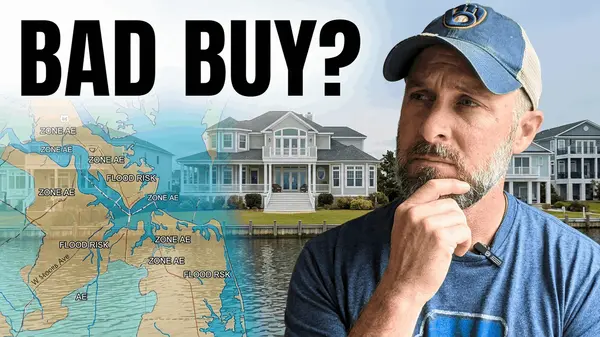
Also, in Hampton Roads, insurance can vary depending on the property and location. If you’re near coastal areas or flood-related zones, make sure insurance quotes aren’t an afterthought.
A Note for Current Homeowners (Yes, This Matters to You Too)
If you’re a homeowner reading this, here’s why you should care: you may eventually sell to an unrepresented buyer—or a buyer who starts DIY and then scrambles late in the process.
Unrepresented buyers can absolutely be solid. The key is whether the offer shows:
-
Clear financing strength
-
Realistic deadlines
-
Clean communication
-
A reasonable plan for inspections and appraisal
And if you’re considering selling yourself (FSBO), just remember: the marketing and pricing part is only one slice. The real risk is contract management, negotiation, and legal exposure. If you ever want a quick, no-pressure value check or a second opinion on timing, I’m happy to help.
Optional Local Spotlight — Suffolk Seaboard Coastline Trail
If you’re relocating and you want a quick “quality of life” win, the Suffolk Seaboard Coastline Trail is one of those simple local gems. Great for a peaceful walk, quick reset, and it gives you a feel for Suffolk’s vibe without needing a full day itinerary.
Closing: What to Do Next (Two CTAs)
If you’re buying, relocating, or using a VA home loan in Hampton Roads, the fastest way to reduce stress is to get educated early.
Buyers/Relocators:
-
Watch the full video: https://youtu.be/Hx4--V7QVWk
-
Download my Buyer’s Guide: https://realtorjedwards.com/buyer-guide
-
Book a quick call if you want clarity on your plan: https://calendly.com/jedwrds/discovery-phone-call
Homeowners:
-
Share this with a friend who’s moving to Hampton Roads
-
Or reply/request a quick value update so you can plan your next move confidently
Hashtags
#HamptonRoadsRealEstate #MovingToHamptonRoads #VALoan #MilitaryRelocation #FirstTimeHomeBuyer #SuffolkVA #ChesapeakeVA #VirginiaBeachVA #NorfolkVA #PortsmouthVA #HamptonVA #NewportNewsVA
Recent Posts